NACS 2026 Recap: The Future of Convenience Is Connected
Jagdish Rebello and Yoshi Yoda
What NACS 2026 Told Us About the Future of Convenience Retail
NACS 2026 made one thing clear: convenience retailers are looking for technology that works together.
Across the show floor, educational sessions, and retailer conversations, the strongest ideas connected the customer experience with store operations and showed where AI can make a measurable difference.
A New Definition of Convenience
Consumers now expect convenience stores to connect physical and digital channels, support multiple payment methods, and reduce checkout friction. That expectation matters as foodservice grows: according to NACS, it accounts for nearly 29% of in-store sales and an even larger share of profitability. Retailers are competing with quick-service restaurants, grocers, and delivery platforms, where app ordering and self-service are already standard.
Five Themes That Defined the Show
- Integration over individual features. Retailers are moving away from standalone solutions and evaluating how technologies work together. Can ordering connect to the POS? Can checkout connect to payments? Can operations, analytics, inventory, and customer engagement share information? Connectivity has become a business strategy, not just a technical requirement.
- The POS as the store’s nerve center. A single c-store now rings up fuel, food, loyalty, mobile payments, and sales at both staffed lanes and self-checkout, and retailers want one system running all of it. They also want the POS to do more than take payment. Cameras and sensors can catch a spill, a misplaced item, a failing cooler, or a possible theft, and retailers want that alert to reach a manager who can deal with it on the spot, not sit in a separate dashboard.
- Self-service keeps growing, and it's becoming hybrid. From kiosks to self-checkout, retailers are giving customers more control while addressing ongoing labor challenges. The benefits go beyond speed: consistency, less friction, efficient service during peak periods, and better order accuracy for foodservice. Ordering, payment, fulfillment, and loyalty are increasingly connected rather than treated as separate functions. And the conversation is shifting from replacing associates to pairing automation with people, a model known as Hybrid Checkout (more below).
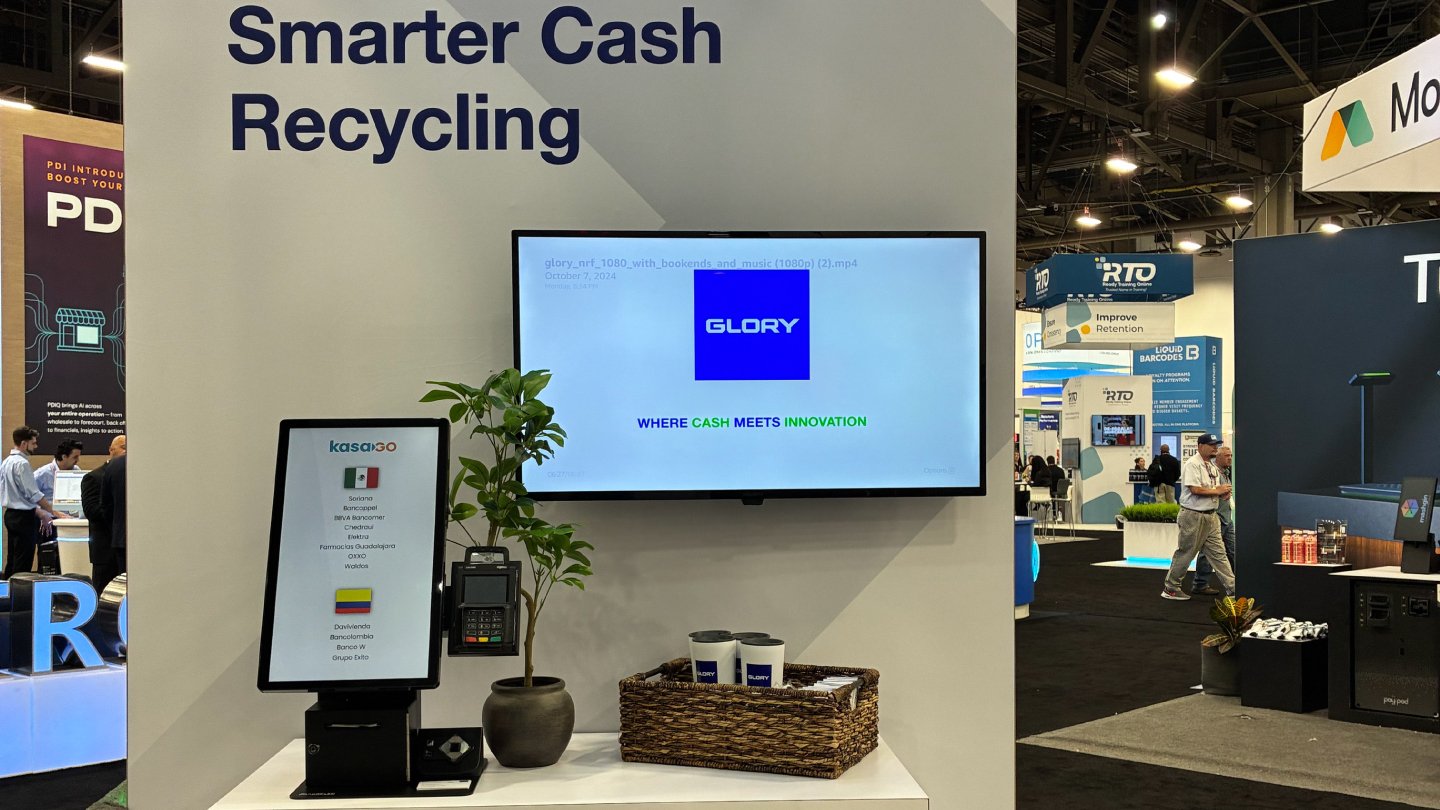
- Cash still matters. Consumers value payment choice, and the conversation is shifting from simple cash acceptance to cash automation: reducing manual processes, improving accountability and accuracy, and cutting time spent on reconciliation.
- Retailers asked AI to prove it. AI came up in nearly every session and demo, but the question was no longer "what's possible?" It was "what's the return?" The solutions that stood out were the ones tied to measurable gains in experience, efficiency, or operational complexity.
Going Deeper: From Self-Checkout to Hybrid Checkout
One key observation from NACS 2026 was that the industry is beginning to move beyond traditional self-checkout (SCO) toward a new operating model best described as Hybrid Checkout.
The Reality Behind Self-Checkout
Self-checkout can reduce routine transaction work, but convenience stores still need associates for age verification, lottery, returns, overrides, cash issues, and loss prevention. That reality is pushing retailers toward hybrid models rather than fully unattended checkout.
The industry's focus is shifting from replacing employees to optimizing how employees spend their time.
The Future Isn't Cashierless. It's Assisted.
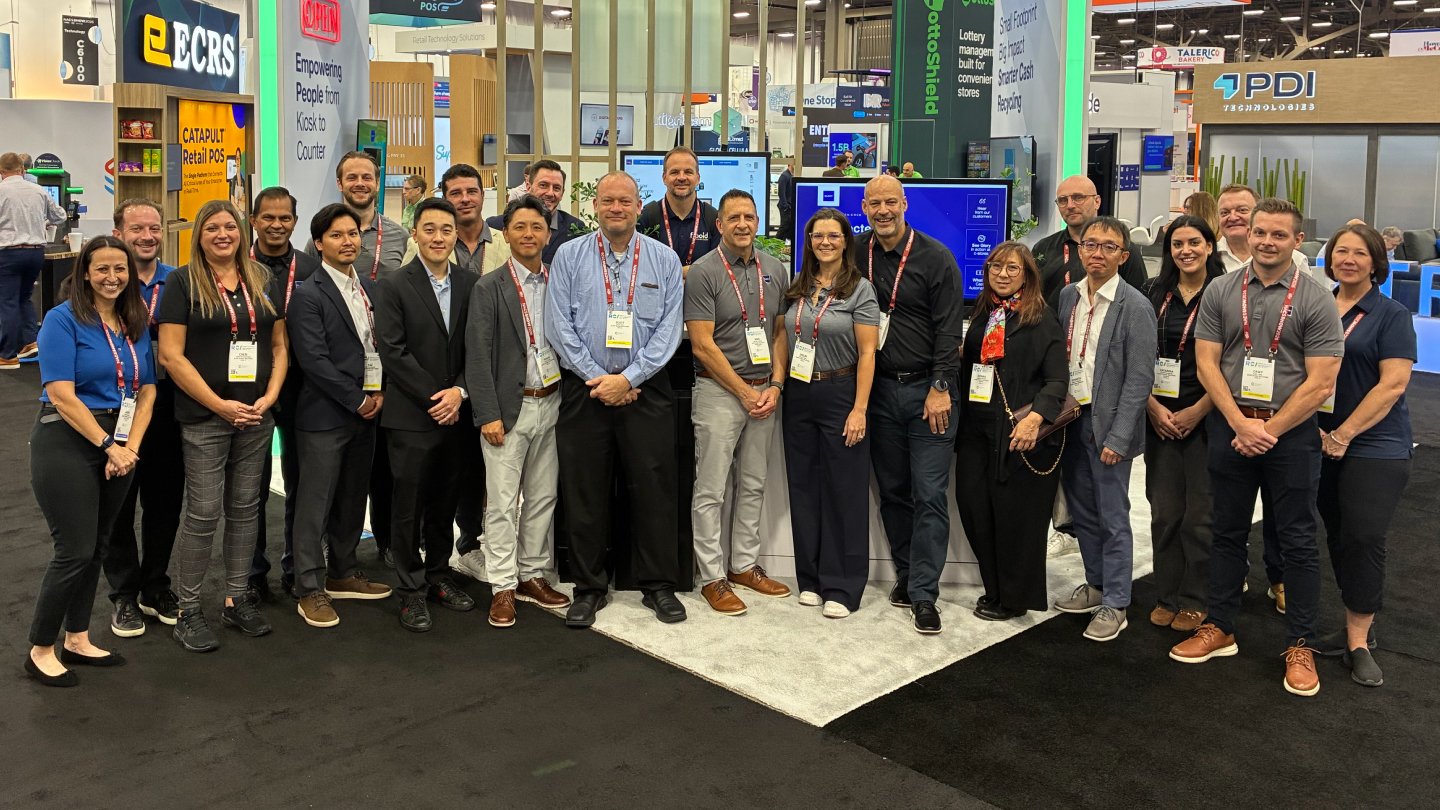
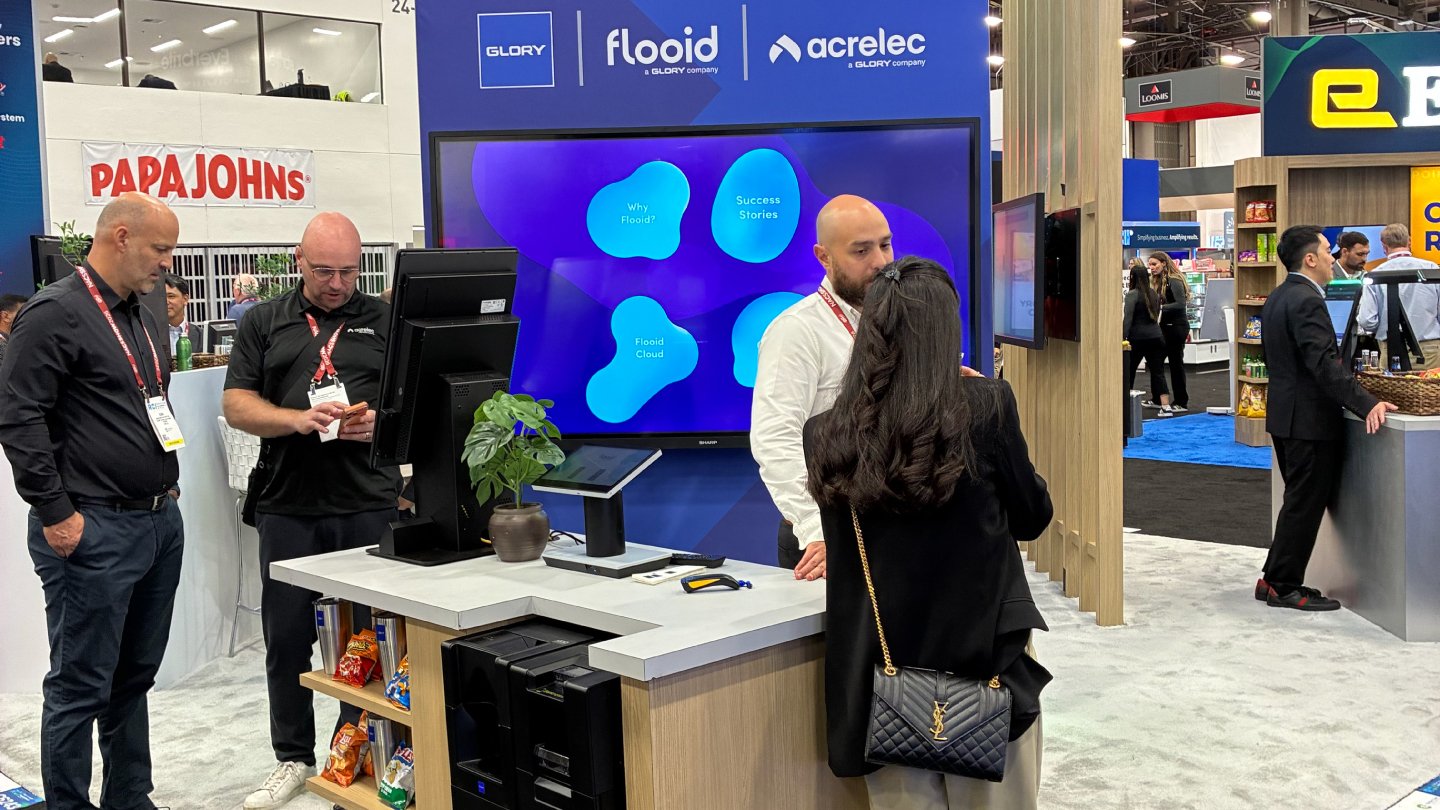
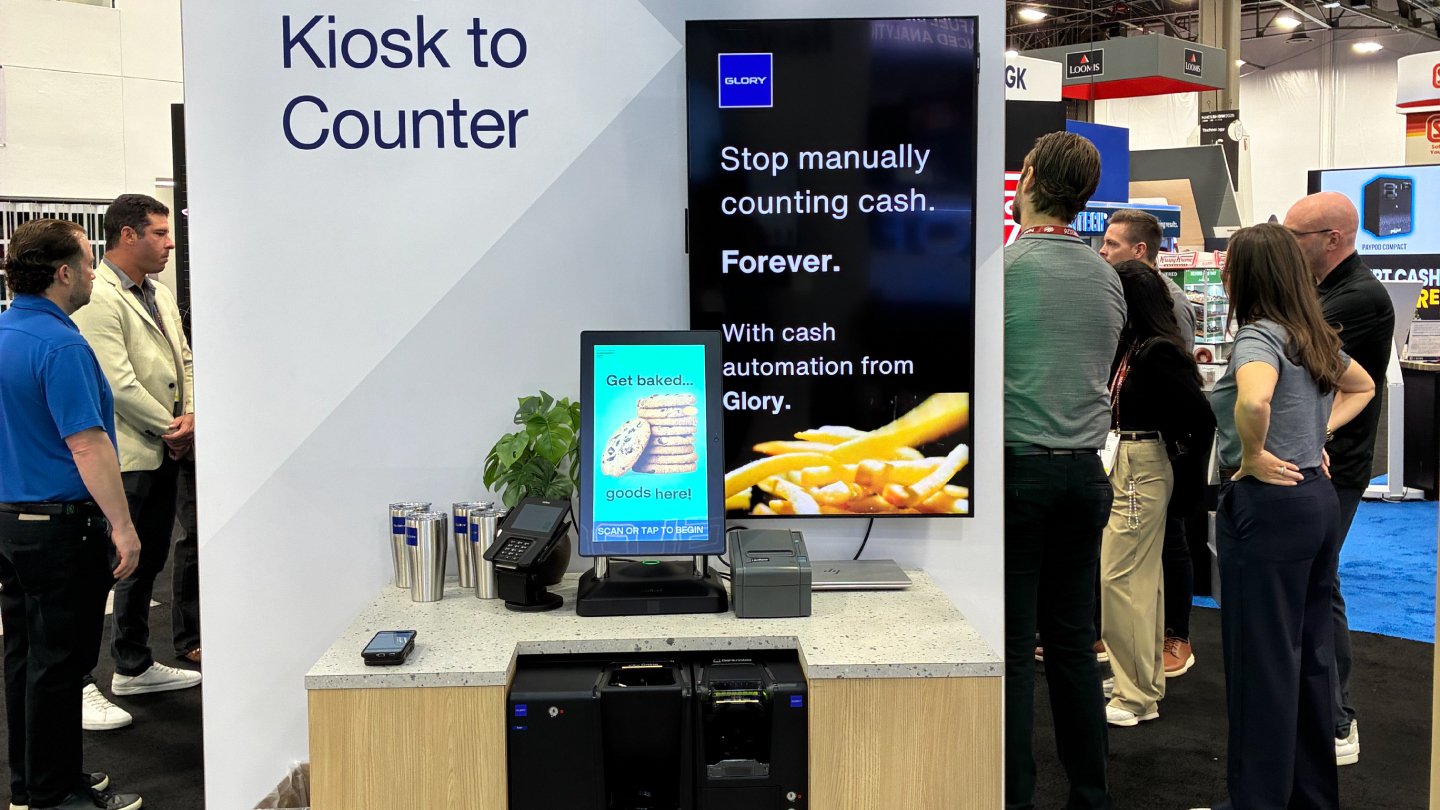
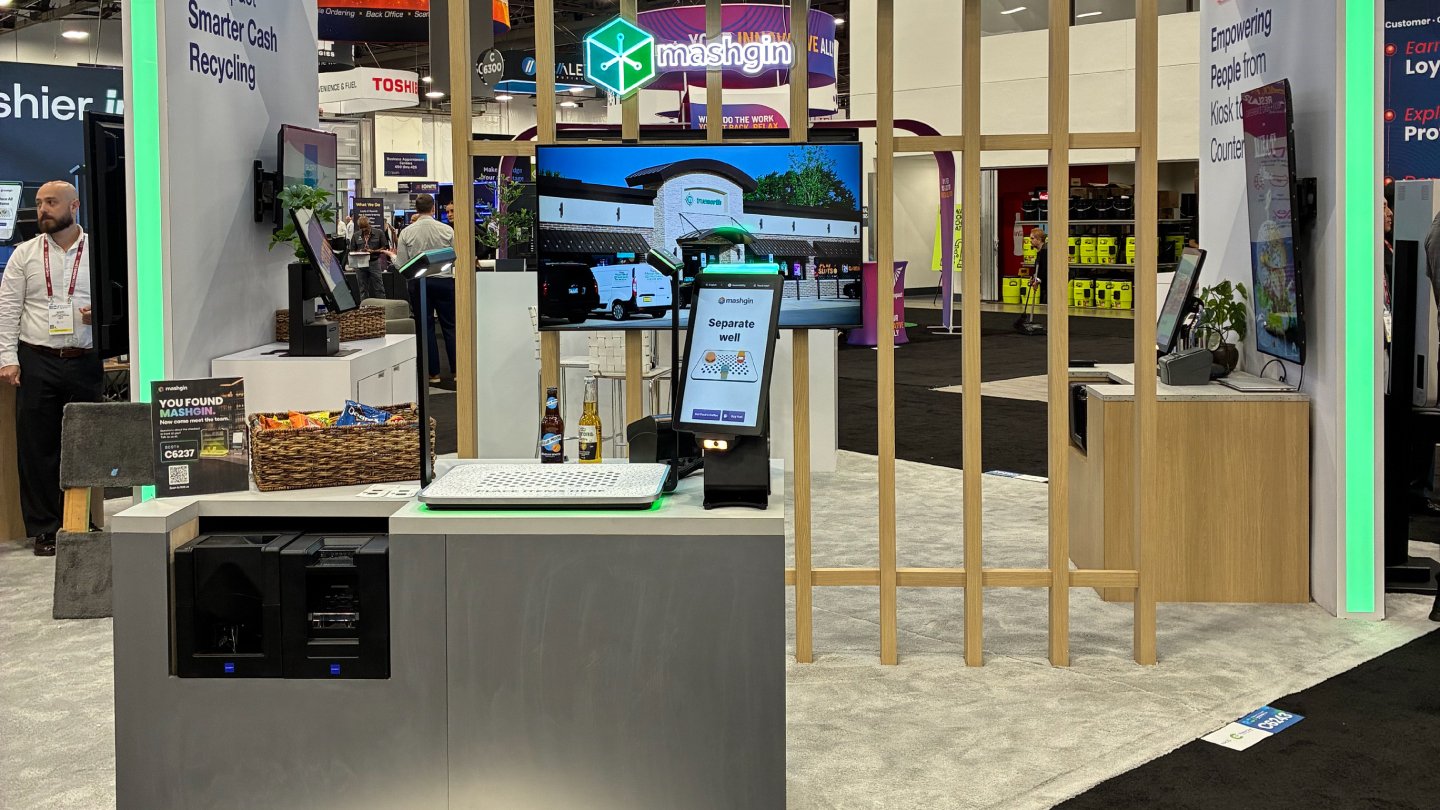
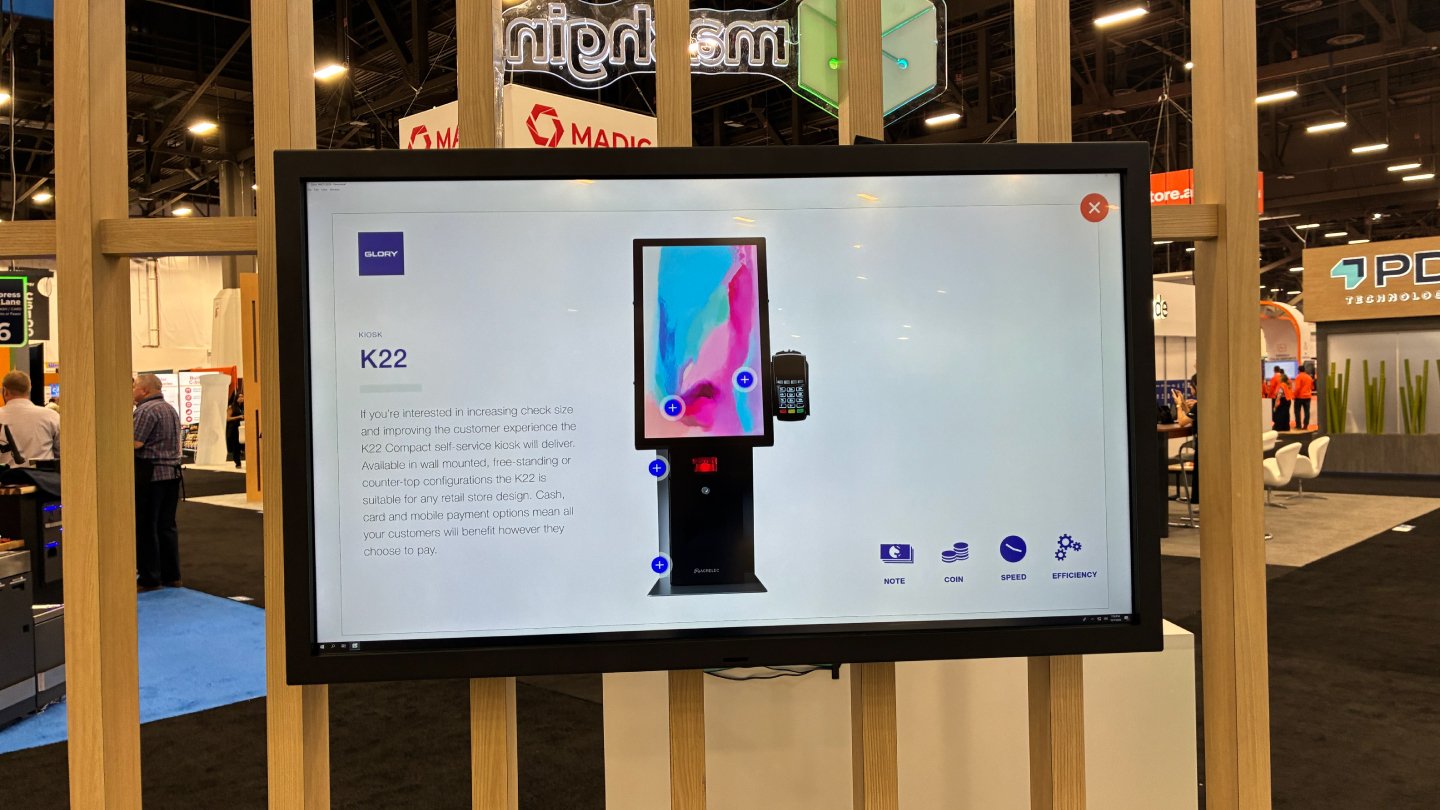
Solutions providers to the convenience industry initially focused on the frictionless, AI powered checkout solutions. But today the conversation has evolved beyond simply replacing the cashier. At NACS, Glory and its ecosystem partners demonstrated how Hybrid Checkout can work: one associate oversees multiple stations while customers complete most purchases independently and can pay with cash or credit. That shifts employee time from repetitive transaction processing to customer service, exception handling, and store operations, with the potential to improve checkout speed and labor productivity.
Grocery Got There First
Grocery has followed a similar path: self-checkout has not eliminated associates but changed where they spend their time. Technology handles routine transactions while employees support customers, manage exceptions, verify restricted purchases, prevent loss, and keep checkout moving while ensuring connection between data, workflows, customer trust and decisions that change outcomes. According to McKinsey’s report on The State of Grocery North America 2026, winning requires a differentiated offering. Most grocers have some version of strong prices, a loyalty program, private brands and AI. The critical issue is whether these pieces work together creating value in a way that customers can feel and the business can afford. Advantage is moving from individual levers to connected systems.
What Hybrid Checkout Looks Like
This delivers the speed and efficiency of self-service while keeping the flexibility and support many stores still need.
Automation Handles | Associates Handle |
Item scanning | Age-restricted purchases |
Payment processing | Tobacco, alcohol, and lottery |
Loyalty transactions | Customer service |
Receipt generation | Expectation management |
Routine purchases | Loss prevention |
Why It Matters for Cash
Hybrid Checkout keeps cash relevant because retailers still want to support every payment preference without adding work for associates. Cash automation enables customers to pay with cash while reducing employee handling, improving accountability, and connecting cash management with the wider store ecosystem.
Assisted and Self-Service Are Converging
The most significant takeaway may not be the continued growth of self-checkout itself, but the convergence of assisted and self-service experiences. The future isn't likely to be split between fully staffed lanes and fully autonomous checkout. It will be Hybrid Checkout models where automation handles routine transactions and employees focus on tasks that require judgment, service, and customer interaction. This trend extends beyond convenience into grocery, foodservice, and other retail segments.
Collaboration Is Driving Innovation
The most compelling solutions on display were rarely built by a single company. No one platform can address ordering, payments, fulfillment, engagement, inventory, and analytics on its own, so retailers increasingly favor open, partner-driven ecosystems. Collaboration has become the foundation of connected retail.
What NACS 2026 Made Clear
NACS 2026 showed that retailers are evaluating technology by how well it connects with existing systems, supports employees, and improves the customer experience. The strongest models combine automation and self-service with people rather than treating them as competing approaches.
What's Next
The conversation continues at NRF 2027, January 10-12 in New York. GLORY will be exhibiting at Booth 5721, showcasing a connected store experience. Stop by and let's talk about what you saw at NACS and where your store is headed.
Read more in this series: our AI deep dive and a look at the connected store in practice.