

Case Study: How Cash Automation Is Helping South African Pharmacies Take Back Control
How South African pharmacies are adapting to rising costs, competition and operational pressures in modern retail healthcare.
Gilly Farrell

PHARMACIES ARE A KEY PART OF DAILY LIFE IN SOUTH AFRICA, SUPPORTING COMMUNITIES WITH ESSENTIAL CARE.
Pharmacies are among South Africa’s most important community businesses. They provide access to medicines, healthcare advice and essential services for millions of people every day. With more than 4,100 community pharmacies and over 17,000 practising pharmacists nationwide, the sector continues to play a critical role in both healthcare delivery and the retail economy.
But running a successful pharmacy today is becoming increasingly challenging.
Rising operating costs, growing competition, changing customer expectations and increasing compliance requirements are placing pressure on pharmacy owners and managers. Independent pharmacies, in particular, face the challenge of maintaining personalised service while operating as efficiently and profitably as possible.
Cash remains essential
Although digital payments continue to grow across South Africa, cash remains an important payment method for many consumers. Research shows that some shoppers continue to prefer cash because it is widely accepted, avoids transaction fees and helps them manage spending more effectively.
For pharmacies, this means cash is likely to remain part of the payment mix for the foreseeable future.
The challenge is not whether to accept cash, but how to manage it efficiently while maintaining security, accuracy and excellent customer service
The hidden cost of manual cash handling
Many pharmacies still rely on manual cash counting, reconciliation and preparation processes.
These activities consume valuable staff time and can create unnecessary pressure for frontline teams and managers alike. Errors in change-giving, till discrepancies and lengthy end-of-day balancing procedures can all impact productivity and divert attention away from customers.
Over time, these challenges can affect confidence, create operational inefficiencies and increase the burden on already stretched pharmacy teams.

A real-world example
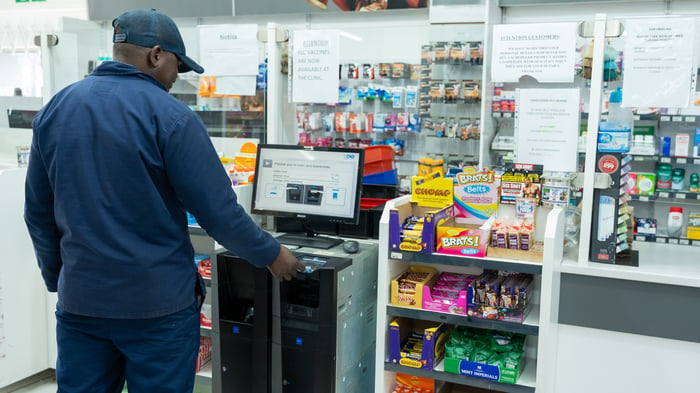
John Forbes Pharmacy in East London recently introduced cash automation to address challenges associated with manual cash handling. The business reported improved accuracy, stronger control and reduced pressure on staff responsible for cash management.
While every pharmacy is different, the challenges faced by John Forbes Pharmacy are familiar to many operators across South Africa.
Watch the accompanying video case study to hear directly from the pharmacy team about their experience and the results achieved.

Customer Experience
"Before Glory, we had sleepless nights. We had lots of headaches due to shortages that we were experiencing when it comes to the money. Like every morning when we come to work with sort of expected that there will be shortages. So that was our reality before Glory." Andiswa Ganyile, Business Partner John Forbes Pharma

Why pharmacies are turning to automation
Cash automation solutions help pharmacies reduce manual handling by securely accepting, validating, storing and dispensing cash at the point of sale.
The benefits go far beyond simply processing transactions.
For pharmacy operators, automation can help:
- Improve cash accuracy and reconciliation
- Reduce cash exposure at the till
- Minimise errors when dispensing change
- Free up staff from routine cash-handling tasks
- Improve visibility and control of cash movement
- Create a more consistent and secure process across the business
- Allow employees to spend more time supporting customers
Building a stronger pharmacy business
As South African pharmacies continue to evolve, operational efficiency is becoming a key differentiator. Pharmacy owners need solutions that help them protect margins, improve productivity and maintain the high levels of service their customers expect.
Cash will remain an important payment method for many customers. However, managing cash manually is no longer the only option.