

Turkey Retail: A Complex Market Worth Understanding
Gilly Farrell
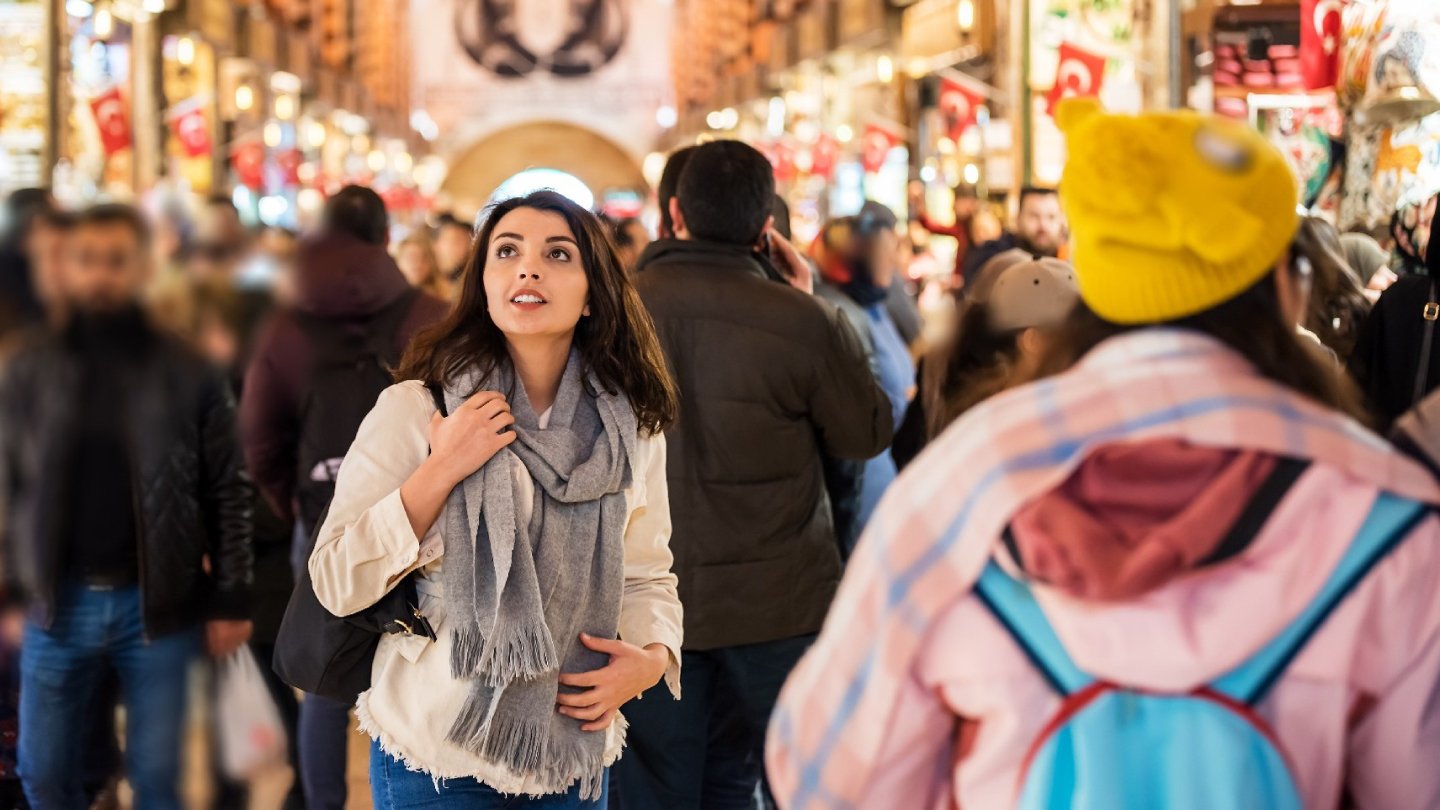
Türkiye is not an easy market to sum up in a neat paragraph. It is big, energetic, strategically important — and often difficult to read from the outside.
For Western companies looking to build a presence there, it can feel like a market full of contradictions. There is growth, but also volatility. A young, digitally engaged population, but still a strong role for cash in certain parts of the economy. Modern retail development, but also a large traditional retail base. Plenty of opportunity, but rarely without complexity.
That is exactly why Türkiye is interesting.
A Snapshot of The Current Retail Landscape
The country’s retail environment today is being shaped by a mix of inflation, changing consumer behaviour, tourism, payment choice and the constant pressure on businesses to do more with less. Official data from the Turkish Statistical Institute shows annual consumer inflation at 32.11% in June 2026, so while inflation has eased from previous highs, it is still a very real pressure for households and businesses. The IMF projects 3.4% real GDP growth in 2026, alongside average consumer price inflation of 28.6%, which says a lot about the current picture: Türkiye is still growing, but not in a calm or predictable environment.
For retailers, that means constant balancing acts. Consumers are still spending, but they are more price-sensitive. Costs are still rising, but there is only so much that can be passed on. Retail sales rose 11.4% year-on-year in April 2026, but also fell 1.7% month-on-month, reflecting a market that is active, but uneven. Euromonitor reports that retail in Türkiye grew strongly in value terms in 2025, reaching TRY 8,854.2 billion, but also points to inflation and consumer price sensitivity as key forces shaping the market.
So the retail technology conversation in Türkiye is not just about innovation for innovation’s sake. It is much more practical than that. It is about efficiency, control, resilience and protecting margin in a market where operating conditions can change quickly.
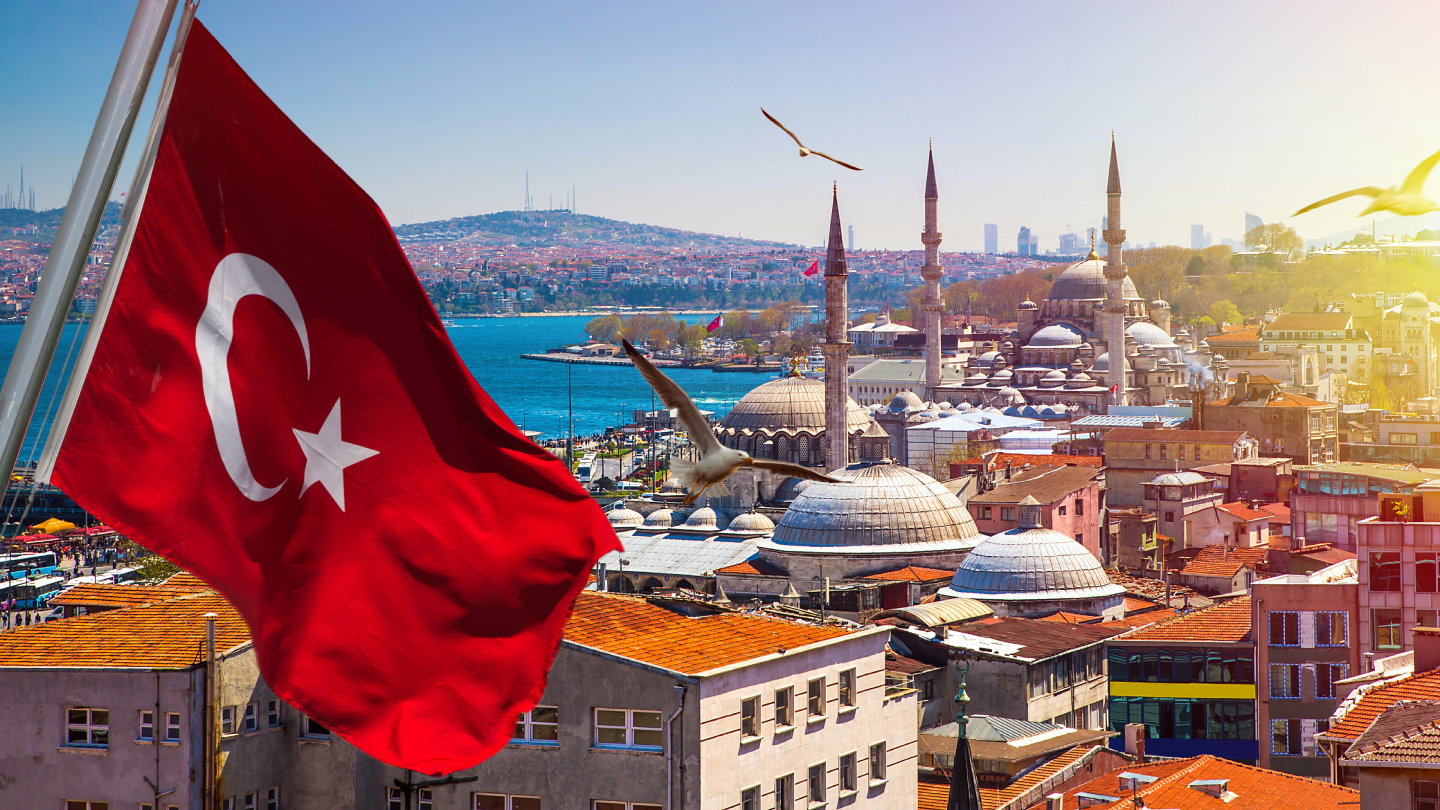
Where cash still matters in Türkiye
Cash is no longer the whole payment story in Türkiye. Card and digital payments are growing quickly. But cash still matters — just in more specific places, moments and customer journeys.
Tourism and hospitality
Türkiye welcomed close to 64 million visitors in 2025, with tourism revenue reported at $65.2 billion. That matters for hotels, restaurants, cafés, tourist retail, taxis, leisure venues and other visitor-facing businesses, where payment behaviour is often mixed.
Russian and international visitors
Russia was Türkiye’s largest inbound visitor market in 2025, with 6.90 million Russian tourists, followed by Germany and the UK. International visitors may use cards for many purchases, but cash still has a role in tips, taxis, excursions, small purchases, local markets and some hospitality services.
Hotels and luxury hospitality
Glory’s Istanbul hotel engagement found that major hotels accepted Turkish Lira, Euros and USD. Petty cash is being used for guest services, and one luxury hotel is spending around half a day each day counting and reconciling cash payments.
Medical tourism
Türkiye is also a major medical tourism destination. The Turkish medical tourism market was estimated at USD 3.5 billion in 2025, rising to USD 4.1 billion in 2026, with strong growth forecast ahead. This does not only affect hospitals and clinics. It supports hotels, pharmacies, transport providers, restaurants, wellness services and local retail.
High-footfall service environments
Glory Türkiye research identifies QSR, cafés, bakeries, schools, apparel and hotels as key cash automation use cases, and notes that cash remains structurally relevant despite digital growth.
The real issue
The question is not simply whether cash is increasing or declining. The better question is: where does cash still create work, risk and friction? Counting, reconciliation, float control, cash security and reporting all take time. And in a high-cost, high-pressure environment, that time matters.
There is no ‘Cash v Digital’ Story
One of the most common mistakes when talking about payments is to present it as a simple “cash versus digital” story. Türkiye shows why that is too simplistic.
Yes, card use is rising quickly. Credit and debit card spending reached TL14.87 trillion in 2024, an 86% increase on the previous year, according to AGBI. The same source reported almost 129 million credit cards and 193 million debit cards in circulation by November 2024, in a country with a population of around 86 million.
But digital growth does not mean cash disappears. It means cash becomes more concentrated in certain sectors and situations.
That distinction is important for Türkiye. Cash may no longer dominate every retail environment, but it still appears in enough places to create operational pressure. Hotels, cafés, bakeries, QSR, apparel, schools, tourist destinations and hospitality businesses may all deal with cash in different ways. For some, it is a regular part of daily takings. For others, it appears through international guests, petty cash, tips, small transactions, service moments or multiple-currency handling.
In Türkiye, inflation adds another layer. Glory’s Business Development Manager based in Istanbul, Ali Ankarali, highlighted that inflation has reduced the real value of the highest banknote, which can increase the number of notes handled in some transactions and add pressure around counting, replenishment, CIT activity and reconciliation. In other words, even where cash represents a smaller share of transactions, it can still be awkward and time-consuming to manage.
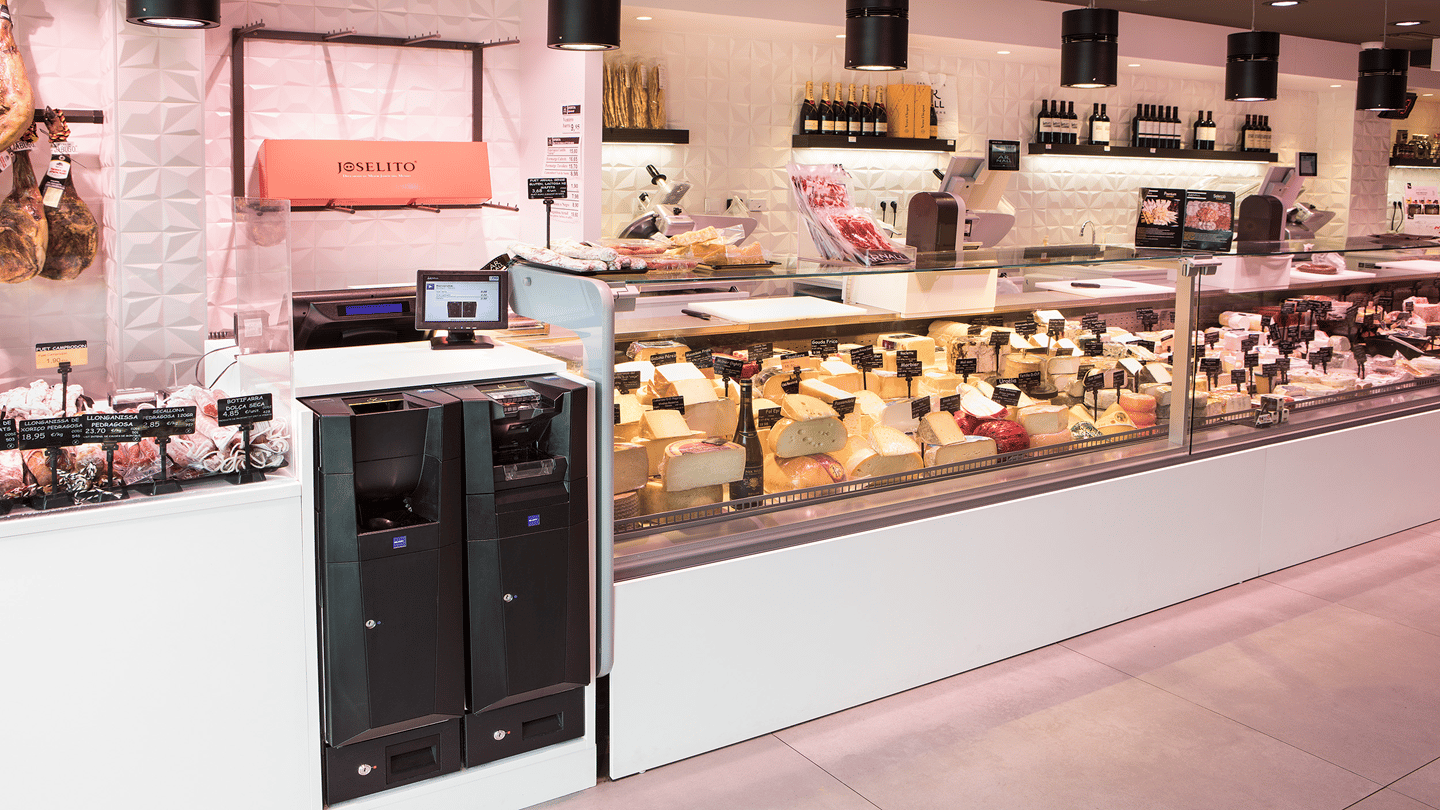
A Practical Case for Cash Automation
This is where the case for automation becomes much more grounded. It is not about making grand claims that technology can solve Türkiye’s economic volatility. It cannot. But it can help retailers and hospitality operators remove some of the manual work and uncertainty from their daily operations.
Cash handling is a good example. Counting cash, checking floats, reconciling takings, preparing deposits, managing discrepancies and securing cash all take time. They also introduce room for error. In a market where labour costs, staff turnover and margin pressure are already concerns, those manual processes become harder to justify.
Glory’s relevance in Türkiye sits in that practical space. Cash automation can help businesses reduce manual cash handling, improve accuracy, speed up reconciliation, strengthen visibility and free up staff time for more valuable work. That is not a futuristic message. It is a very practical one.
The opportunity also extends beyond retail in the narrow sense. Türkiye’s tourism sector creates a wide ecosystem of cash-handling environments: luxury hotels, resorts, city hotels, restaurants, cafés, transport, spas, leisure venues and tourist retail. Medical tourism adds another layer, bringing international customers into clinics, pharmacies, hotels, restaurants and surrounding services. These customers may have high expectations, mixed payment habits and a need for smooth, efficient service. Behind the scenes, businesses still need to manage every payment type securely and accurately.
The Local Approach Matters
That is why a local approach matters. Türkiye is not a market where a generic Western model can simply be dropped in and expected to work. Success depends on local knowledge, trusted relationships, service capability, integration expertise and a clear understanding of how Turkish retailers and hospitality operators make investment decisions.
At Glory, we are already working with local insight and market experience to support businesses in Türkiye with practical cash automation solutions that address real operational pressures — from cash handling and reconciliation to visibility, security and staff productivity.
If you are a retailer, hotel operator, technology integrator or service provider in Türkiye, and you are looking at how to manage cash more efficiently in a changing payment environment, we would be very happy to have a conversation.
Please reach out to Ali Ankarali, Glory Business Development Manager in Türkiye, to explore how Glory technology could support your business, your customers or your local market opportunities.
In a market as dynamic as Türkiye, payment choice still matters. But managing that choice efficiently matters even more.

Never miss the latest blog